
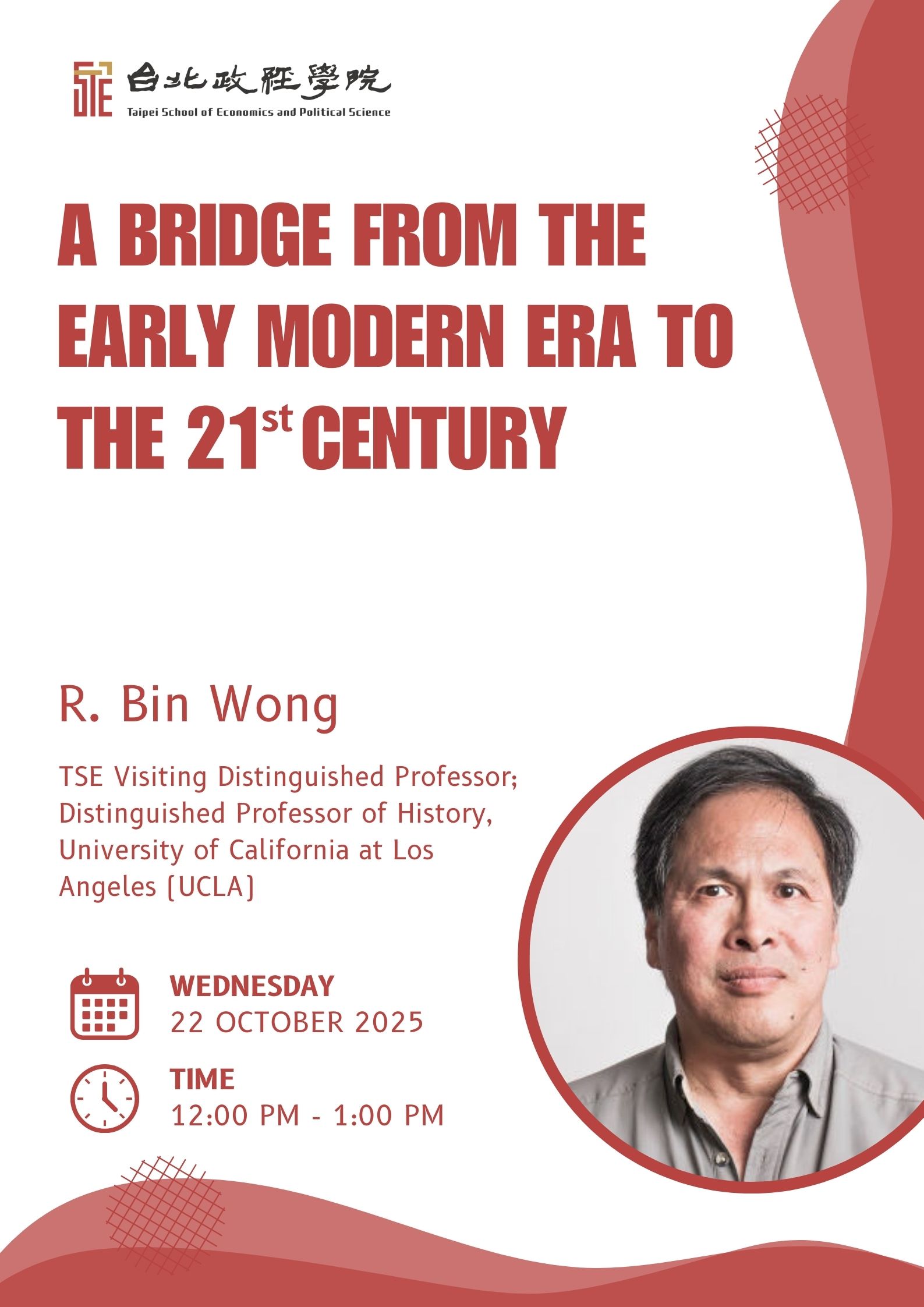
Title: A Bridge from the Early Modern Era to the 21st Century
Time: October 22 (Wed), 12:00-13:30
Venue: TBA
Lecture Abstract:
The subtitle of the first volume of Fernand Braudel’s magisterial three-volume Civilization and Capitalism notes the “Limits of the Possible” in the early modern world. While societies that subsequently transformed their economies through industrialization escaped the limits of the possible, science has made clear over the past half-century that this escape was only temporary. People across the globe face the formidable challenge of learning to live within the limits of the possible imposed by our physical environment. This talk considers the potential relevance of some early modern economic and environmental sensibilities to our contemporary conditions.
Lecture Summary:
In “A Bridge from the Early Modern Era to the 21st Century,” Professor Roy Bin Wong examines how early modern ecological and economic sensibilities can illuminate today’s environmental crisis. Drawing inspiration from Fernand Braudel’s notion of the “limits of the possible,” Wong argues that while industrial societies appeared to transcend natural constraints through technological progress, science now reveals that this escape was temporary. Humanity must once again learn to live within the ecological limits imposed by the planet.
He begins by outlining global environmental challenges: intensifying climate change, water scarcity, and continued dependence on carbon-based growth. Despite public awareness and carbon neutrality targets by 2050, Wong contends that contemporary approaches (such as biophilia, seen in Apple’s eco-conscious architecture) remain superficial. They connect individuals to nature aesthetically but fail to inspire collective behavioral change or reshape consumerist values.
Turning to history, Wong highlights the Noongar people of Western Australia, whose six-season ecological calendar exemplified sustainable living attuned to natural cycles. British settlers disrupted these patterns by imposing imported agricultural systems, yet postwar Perth’s urban planners began reintegrating native biodiversity and water-sensitive infrastructure—illustrating how historical ecological wisdom can be reinterpreted in modern contexts.
Drawing on data from the World3 Model (2020) and Gaya Herrington’s analysis, Wong underscores the long-term unsustainability of limitless growth. The modern era, he concludes, represents an anomaly in human history: a period when societies severed economic activity from environmental limits. To move forward, we must “cross a bridge” back to early modern practices that respected interdependence between humans and nature.
Ultimately, Wong calls for a new cultural evolution (one that reclaims ecological balance, community responsibility, and humility before natural limits) to chart a feasible and sustainable path for the twenty-first century.
Composed by: Nicole Richi (TSE senior student)
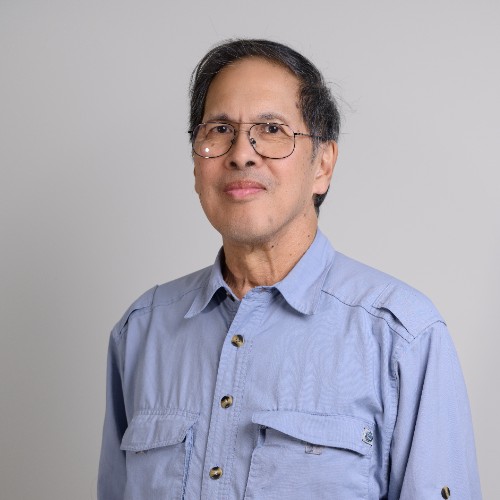
TSE Visiting Distinguished Professor; Distinguished Professor of History, University of California at Los Angeles (UCLA)